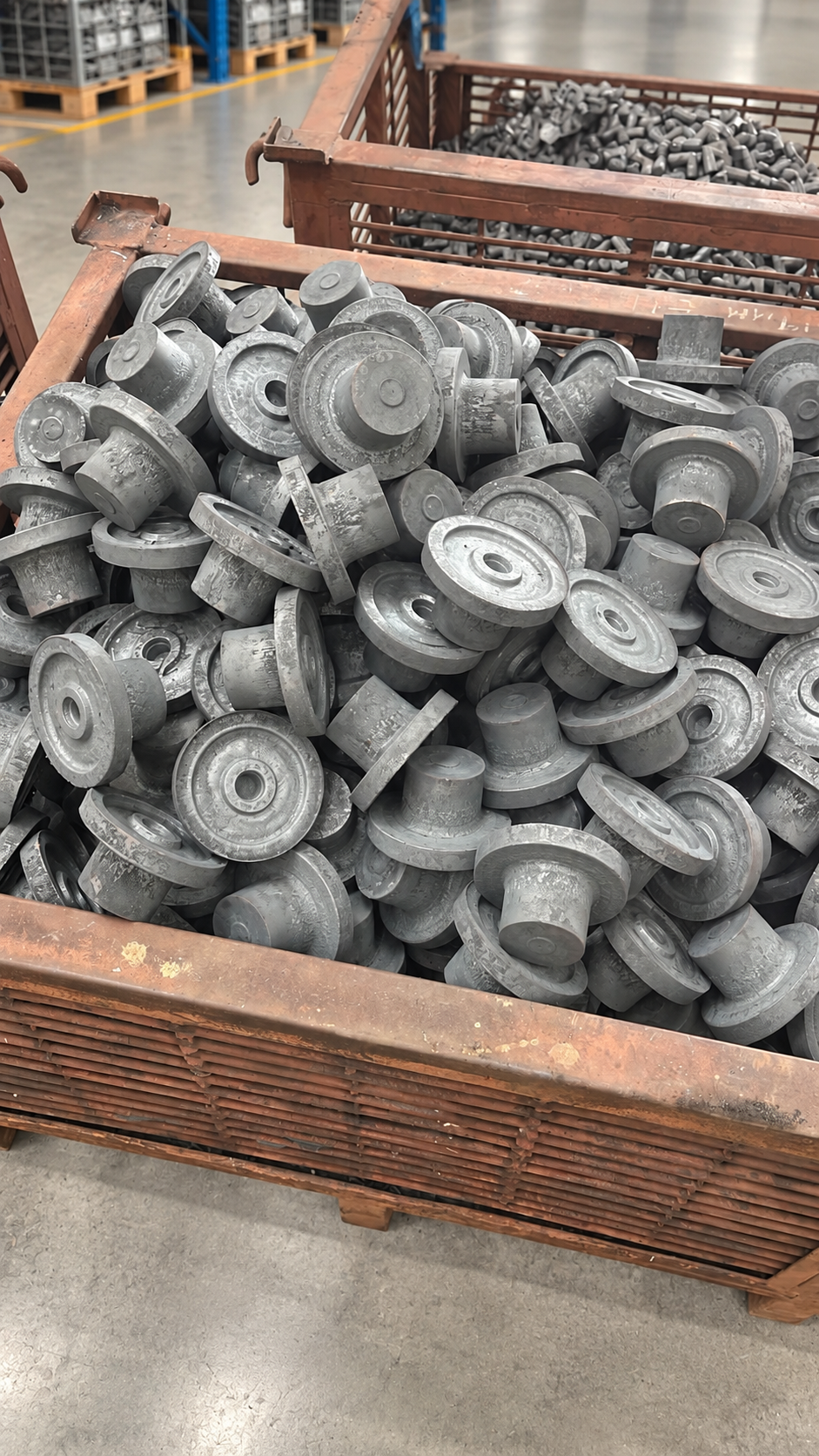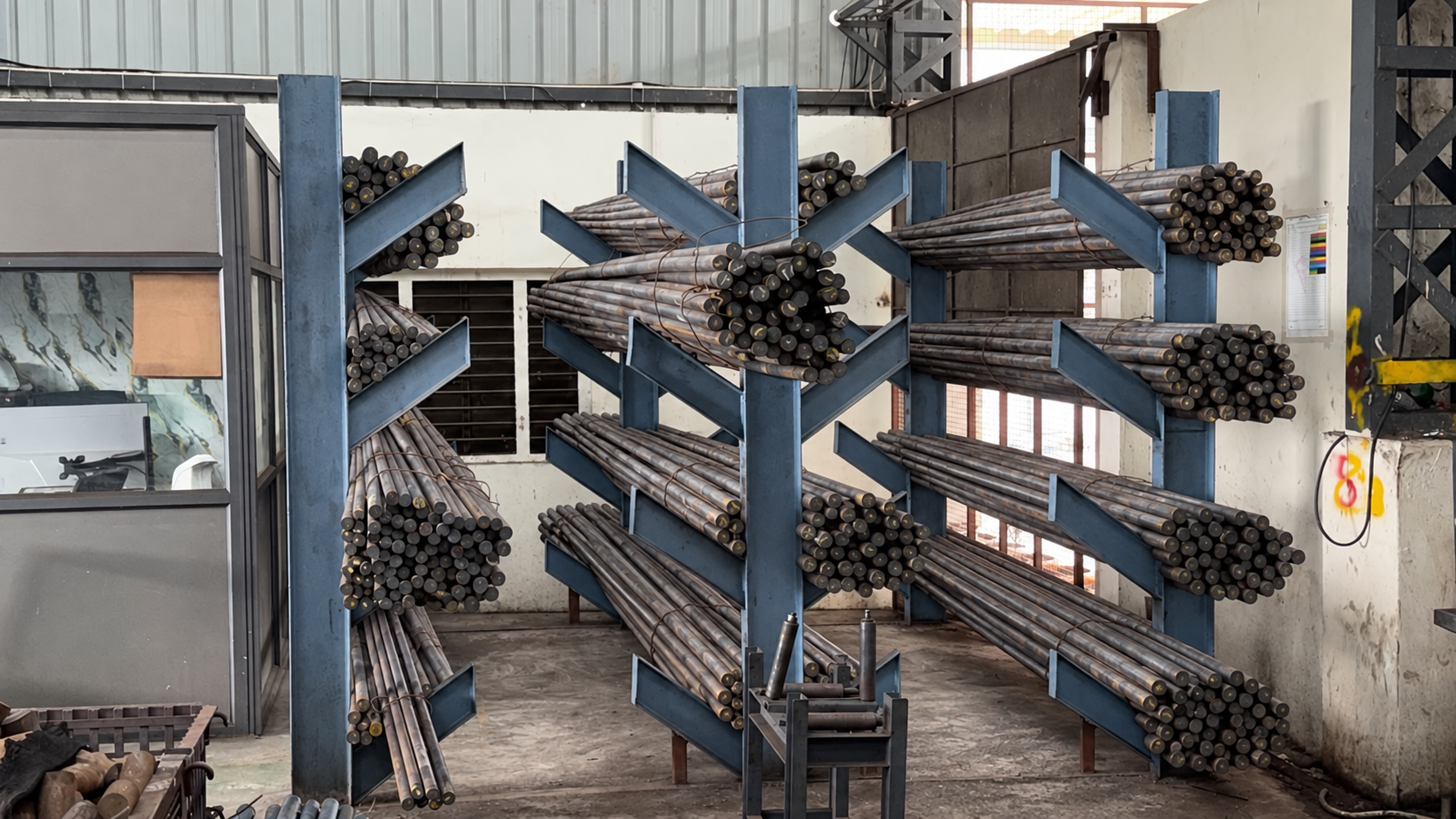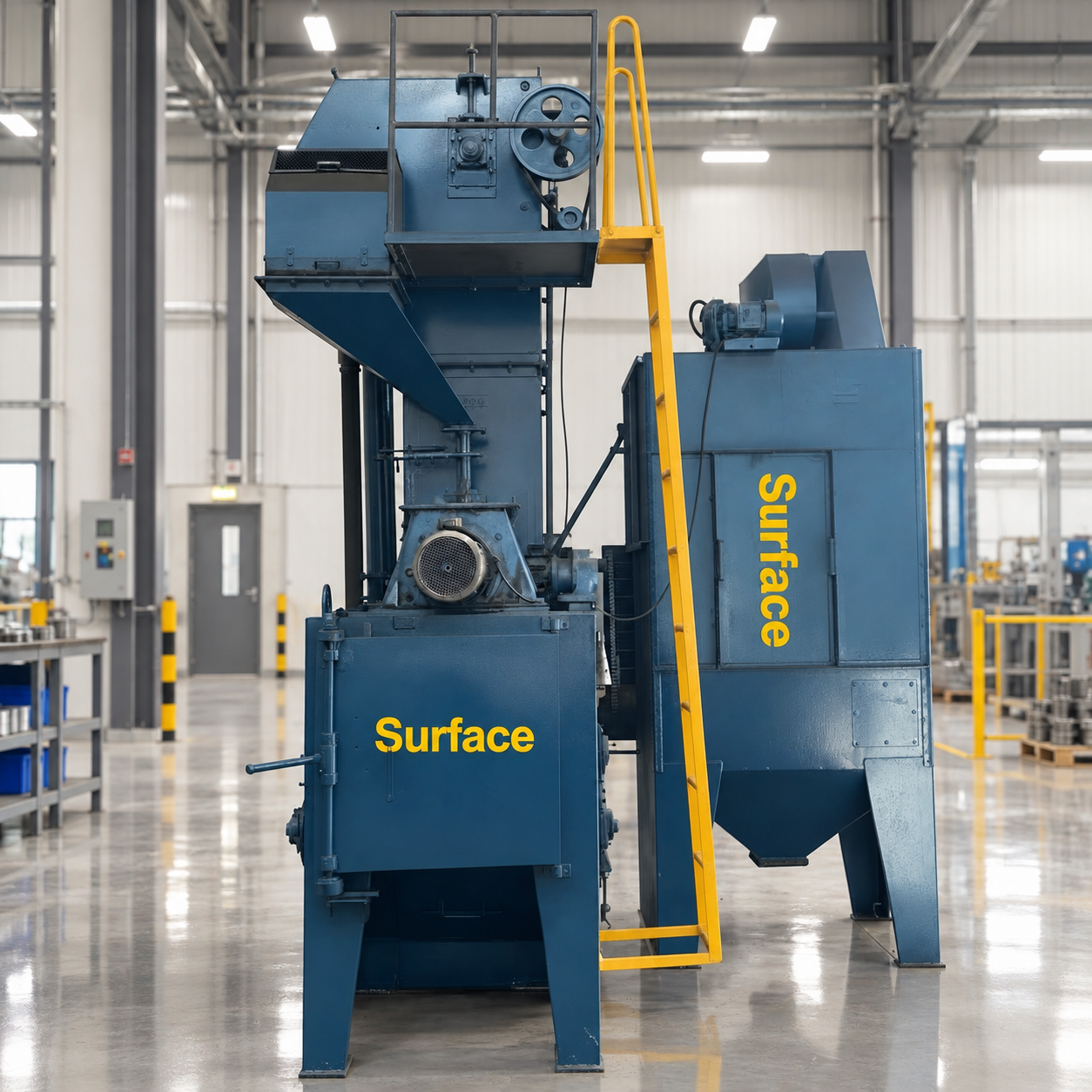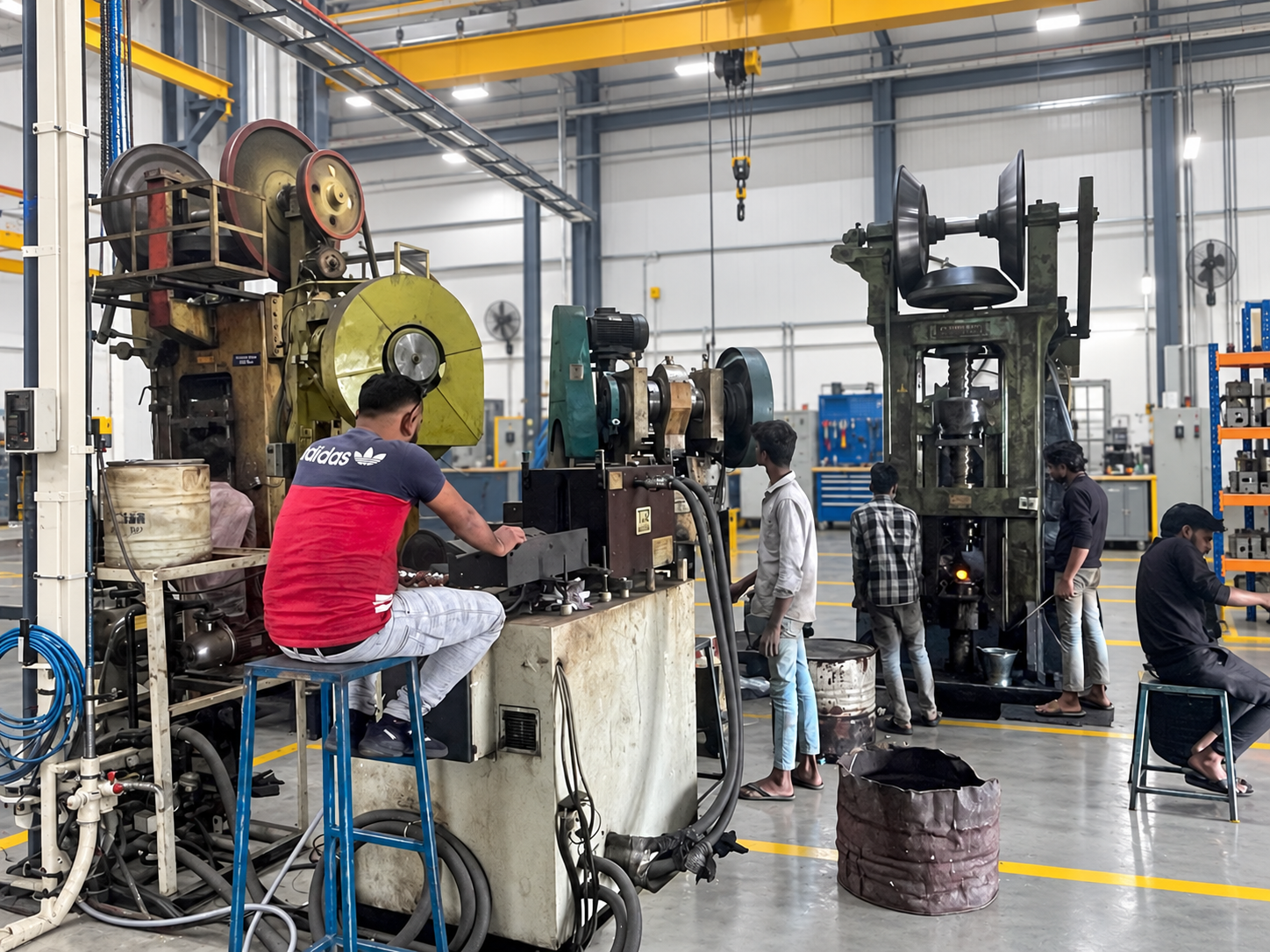
In high-consequence aerospace, defense, and heavy transport engineering, component failure under cyclic stress is never an option. While conventional open die forging and rough casting require excessive secondary machining—often resulting in buy-to-fly ratios exceeding 5:1—modern Near-Net-Shape Closed Die Forging delivers components with precision tolerances and uninterrupted grain structure.
1. The Metallurgy of Grain Flow Alignment
Unlike casting where liquid metal solidifies into an isotropic, randomly oriented dendritic structure, hot closed die forging mechanically aligns the crystalline structure along the principal stress axes. When raw billets are heated between 1,150°C and 1,250°C and deformed under friction screw and hydraulic power presses, grain boundaries recrystallize continuously without microscopic micro-shrinkage.
Why Grain Continuity Matters Under Cyclic Fatigue:
When a component is machined from bar stock or cast slab, machining tools inevitably cut across the native grain lines, creating localized microscopic stress risers. Closed die forging directs grain lines to contour around radii, flanges, and hubs, providing up to 30% greater fatigue strength and superior impact resistance at sub-zero temperatures.
2. Buy-to-Fly Ratio and Material Optimization
In aerospace grade alloys such as 17-4PH, Inconel 718, and Titanium 6Al-4V, raw billet costs represent up to 60% of the finished piece price. Near-net-shape forging uses precision closed dies engineered via 3D CAD/CAM simulation to reduce flash volume to under 8%. As a result:
- Rough Machining Time Reduced: Up to 55% reduction in multi-axis CNC turning and milling hours.
- Scrap Generation Minimized: Maximum raw material utilization, preserving valuable alloying elements.
- Dimensional Consistency: Repeatable batch-to-batch tolerances within ±0.2 mm across 50,000-unit production runs.
3. Comparative Matrix: Closed Die vs Casting vs Machined Bar
| Parameter | Closed Die Forging | Precision Investment Casting | Machined from Billet/Bar |
|---|---|---|---|
| Internal Porosity | Zero (100% Volumetrically Consolidated) | Occasional micro-shrinkage / gas voids | Low to medium (centerline segregation) |
| Fatigue Endurance Limit | Maximum (Continuous Grain Flow) | Moderate (Isotropic dendrites) | Interrupted grain flow at contours |
| Impact Resistance (Charpy) | Superior (Exceeds ASTM A350 LF2 @ -46°C) | Moderate | Directional weakness across grain |
| Near-Net Complexity | High (Tight draft angles down to 1°) | Very High (Complex internal channels) | High (Subtractive, high tool wear) |
4. Engineering Takeaway for OEM Supply Chain Managers
For high-pressure valves, turbine discs, automotive transmission pinions, and defense armor assemblies, specifying near-net closed die forging provides guaranteed structural reliability while slashing downstream finishing costs. At ER Industries, our 150 MT/month forging shop couples precision die tooling with automated soaking furnaces, delivering global OEM compliance from Day 1.
ER Metallurgical Engineering Team
Authored by the senior metallurgical, tooling, and quality assurance engineering cadre at ER Industries, Rajkot, India. Specializing in close die forging, vacuum casting, and precision multi-axis CNC metrology for global Tier-1 OEM contractors.